
Indigenous food and Economy: Supporting farming tools to the inspired Indigenous farmers | 29 Oct 2026
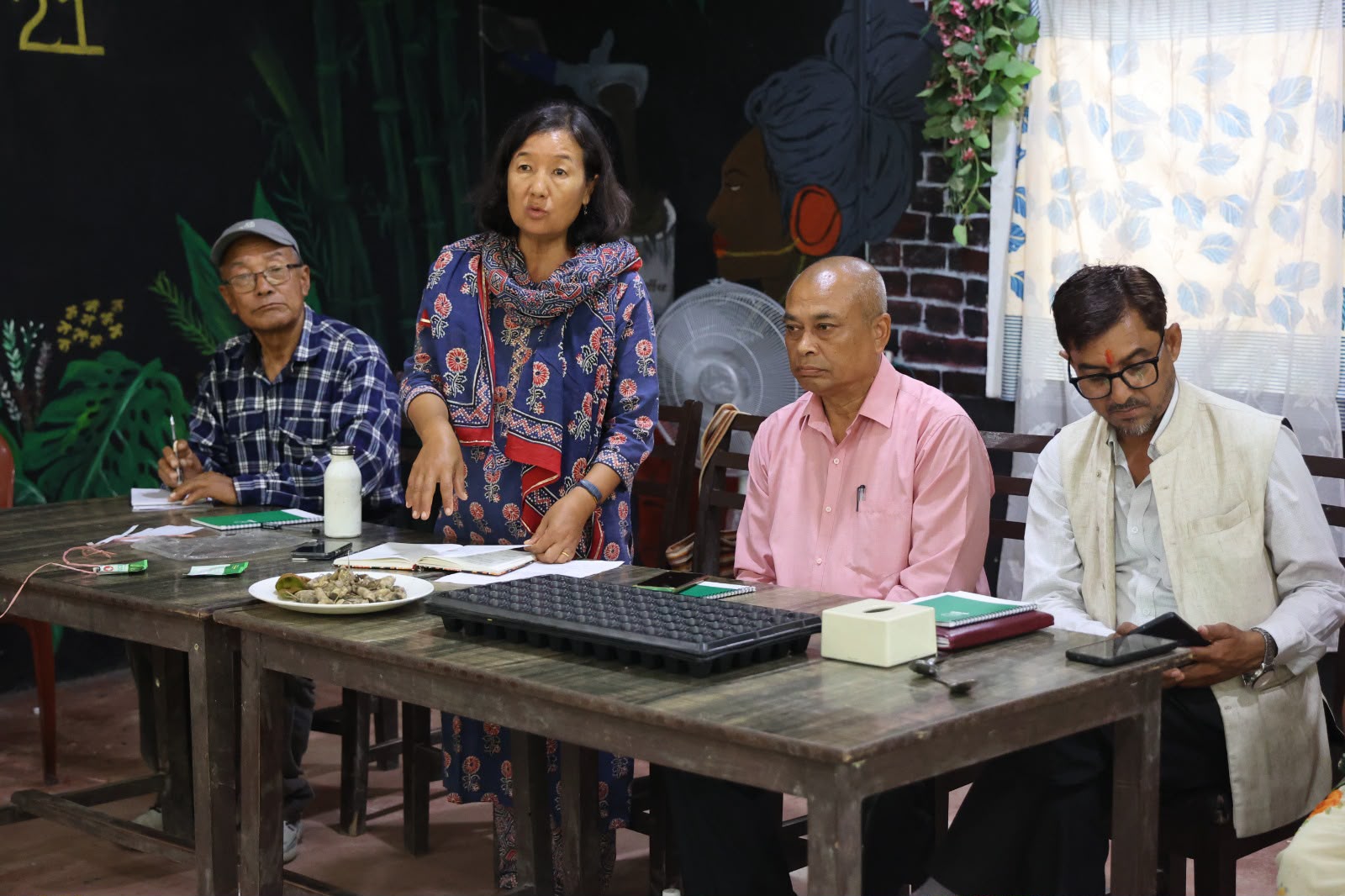
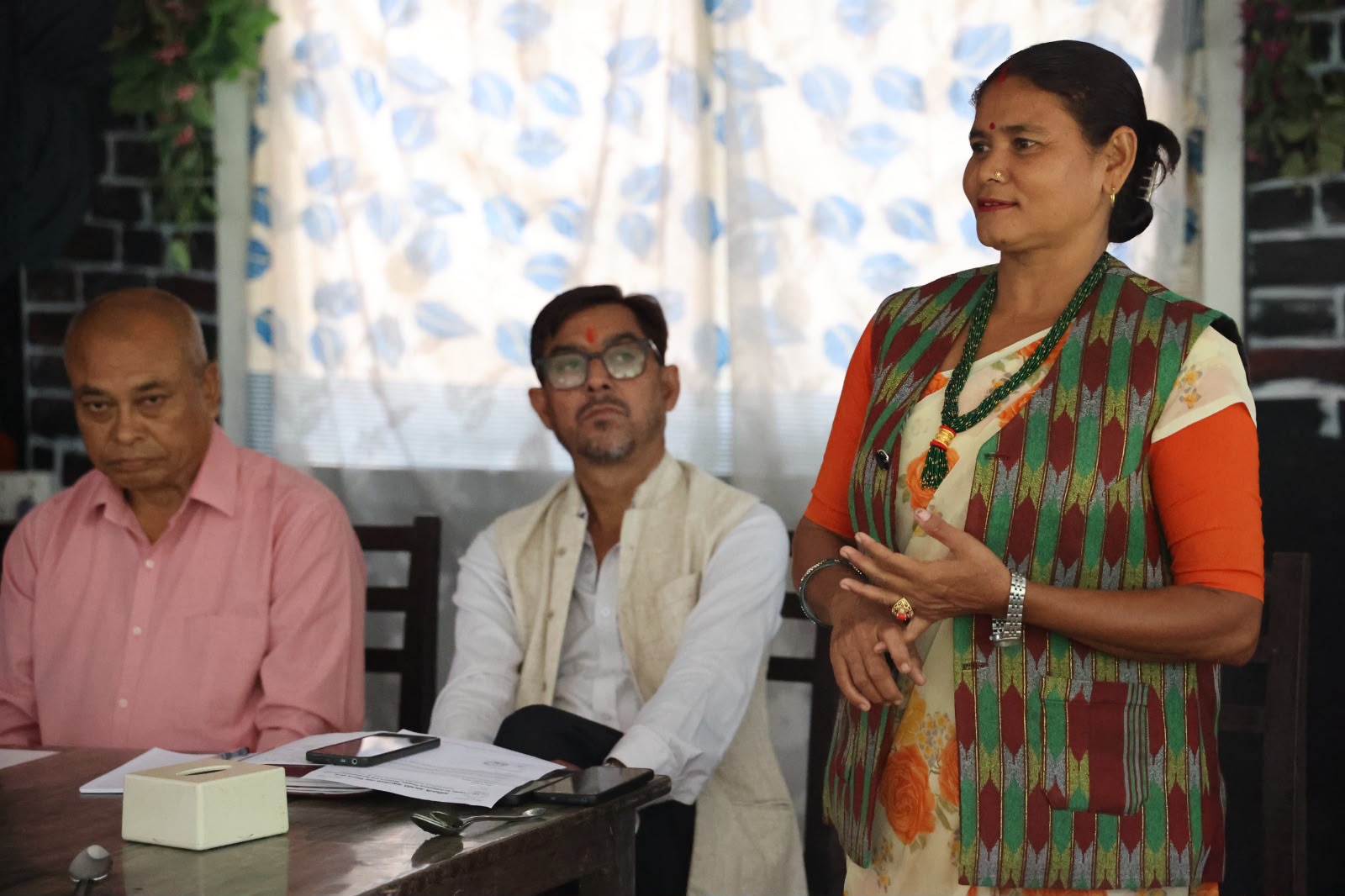
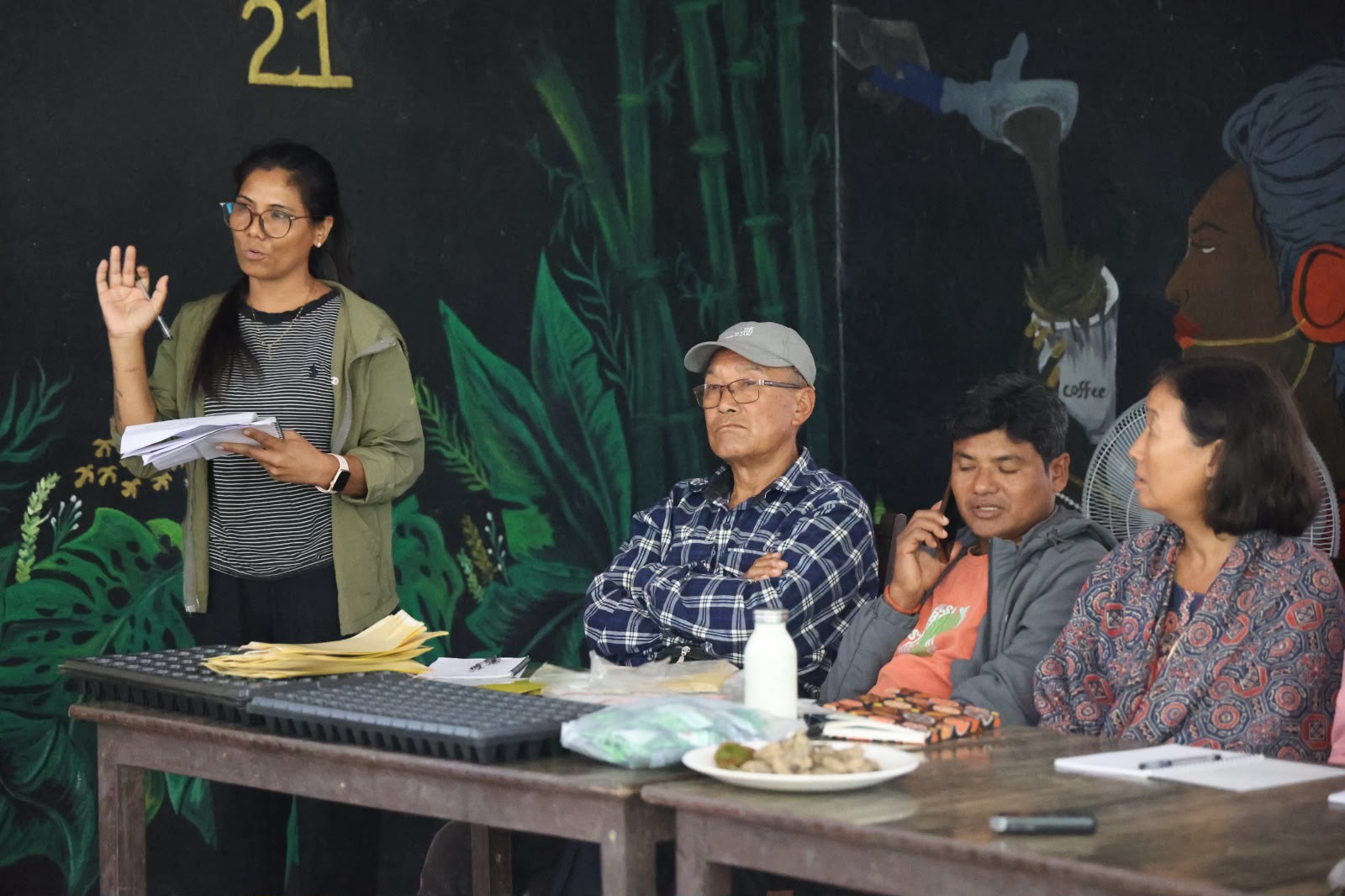
The Center for Indigenous Peoples Research and Development (CIPRED) organized, “Indigenous food and Economy: Supporting farming tools to Indigenous farmers from four municipalities in Saptari and Udayapur districts in Nepal. 16 Indigenous farmers were selected out of more than 25 farmers who have received layers of trainings in the past three years. The key criteria of the selection were based on their performance for supporting farming tools to make manure, saplings and trapping the insects today at Saptakoshi in the presence of Mayor Krishna Prasad Dhakal and Deputy Mayor Rita Choudhari from Saptakoshi Municipality, Member of the Parliament of Madhesh Province, Hon. Raj Kumar Lekhi, Indigenous traditional farming trainers, Indigenous farmers (Tharu, Danuwar and Sherpas) from four municipalities and CIPRED team.
The program was facilitated by Sarita Chaudhary from CIPRED with encouragement of sharing the stories and experience of each farmer, what are the crops, vegetables and fruits they have been growing? How are they managing the manure? Whether the learning from the past trainings were implemented or not? What do they sell for their regular income? What is their annual income from selling their products in the markets? What are the challenges and how they have dealing with changing climate patterns?
The exchange of knowledge and experience was followed by the commitments and activities related to agriculture by the local and provincial level government representatives to support the initiative of CIPRED to be healthy and make the land healthier to protect the knowledge, identity and cultural values. Finally, each of the selected farmers received enough farming tools: drums for making liquid traditional manures, water can, seed tray and insect trapper. The program ended with vote of thanks to all by Dr. Pasang Dolma Sherpa from CIPRED.
Glimpses of the program:






Related News & Events
-
 Jewar Mainjan Implementation and Management Interaction Program | 30 October 2026
-
 Nepal Dialogue UK Monthly Webinar series 2026 on The Himalayan Tsunami: Implications for Society and for Development
-
 Expert Panel Session on Indigenous Women Amchi in the Himalaya during the National Level Validation Workshop
-
 National Level Validation Workshop of ongoing study on Indigenous Women Amchi in the Himalayas
-
 Call for Research Grants | Indigenous Research on Climate Change
-
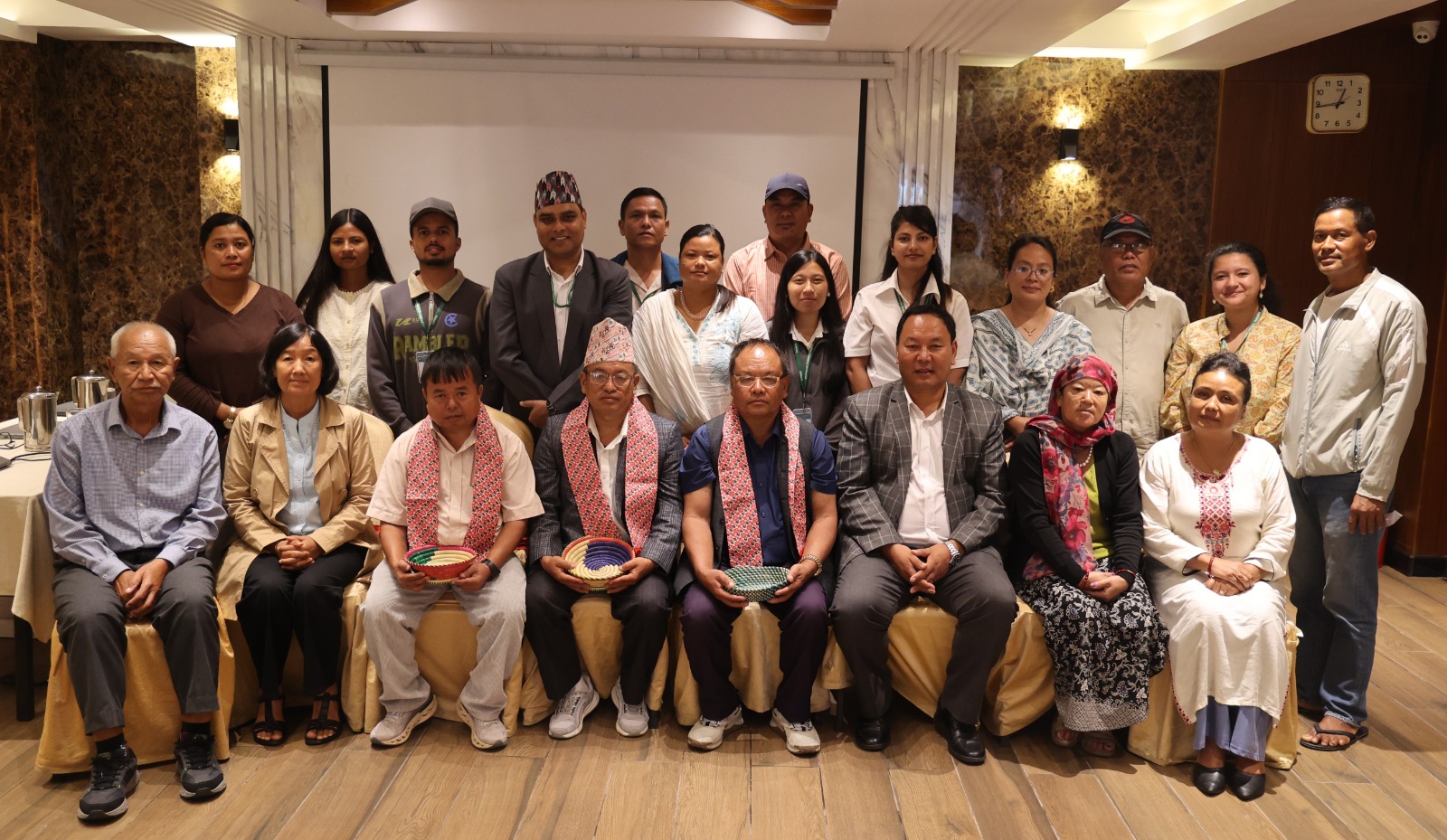 Experience and Knowledge Sharing on Local Forest Act Formulation and Implementation